
Strategic Marketing Solutions Can Develop Your Relationship Marketing Program
If your business is in need of a Relationship Marketing strategy, Strategic Marketing Solutions is here and we are ready to talk to you. 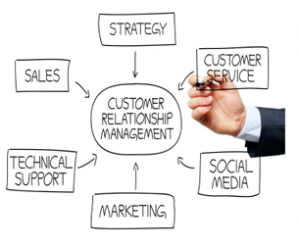 We combine the thinking with the doing, and we thoughtfully plan a marketing program that is customized for your business, providing the best marketing mix to connect with your target audience. Our goal is to always provide the best plan for your specific individual needs.
- We are a nimble operation, allowing us flexibility. Flexibility to give you an extra set of hands—on the days that your own hands are just too full.
- We exist to be in collaborative partnership, working well with clients who appreciate our total personal attention.
- We strive for thoughtful business relationships. Not just one-time transactions or stop-gap bandages that’ll just have to be replaced with something better tomorrow.
Want to find out more about what a Relationship Marketing program might look like for your company? Set up a call with us. We need to know about you. Let’s have a conversation and see if we might be the perfect fit to help with your marketing needs.
Relationship Marketing for 2013
Strategic Marketing Solutions has decades of experience developing and implementing Relationship Marketing strategies. Our experience, coupled with our knowledge of today’s SoLoMo (social, local, mobile) customer is a winning combination we use to help companies find and communicate with their target market.
We don’t believe in overpromising—if you’re looking for a marketing agency that will tell you they have the magic formula, one that will immediately cure all current marketing ailments – then we’re not the right partner for you. In fact, the marketplace and technology is in constant motion, so a one-size-fits-all quick fix is unrealistic. It takes a process of continuous multi-channel assessment (both internal and external), path to purchase testing and analysis, and then constant re-evaluation of the process to have a successful Relationship Marketing program. Our continuous learning process involves continuous research– because our culture is to stay abreast of best practices and we believe it’s important to learn from others. We successfully incorporate that approach when we develop case studies on the success and failure of numerous marketing initiatives of other companies.
 Walgreens SoLoMo Case Study
Not exactly sure what SoLoMo marketing is? Click on the image to the left to check out our latest case study to see a SoLoMo marketing example that illustrates a customer-focused, relevant experience that engages and encourages customers to interact with the brand and share the experience with their social network.
Benefits of Relationship Marketing
Relationship marketing is goals-based. Businesses must be able to track, test and refine messages and offers to deliver measurable results. You won’t realize the benefits of relationship marketing unless you have access to a current comprehensive marketing database.
A hallmark of Relationship Marketing is the recognition of the long term value of customer relationships; relationship marketing strategy extends communication beyond intrusive advertising and sales promotional messages.
Effective Relationship marketing connects people, processes, and technology to increase profitability and reduce operational costs. Regardless of their size, companies that empower their colleagues, listen and respond to consumers, provide valuable products and services, will have a distinct advantage.

